Feeding the Forbidden
By 9 p.m., most of the 1,000 residents in Shamali, the female student housing in Education City, have returned to their rooms. But like every night, on a normal weekday, a student carrying a plastic bag walked quickly through the shrubs to a quiet space behind the building where few people ever notice. Following her are a dozen little feline silhouettes who came from every direction of the compound.
The student pauses, checks for onlookers, and then scatters kibble along the corners of the walls. Of the several security guards walking past the area, one paused and looked back at the movements in the dark but ultimately left.
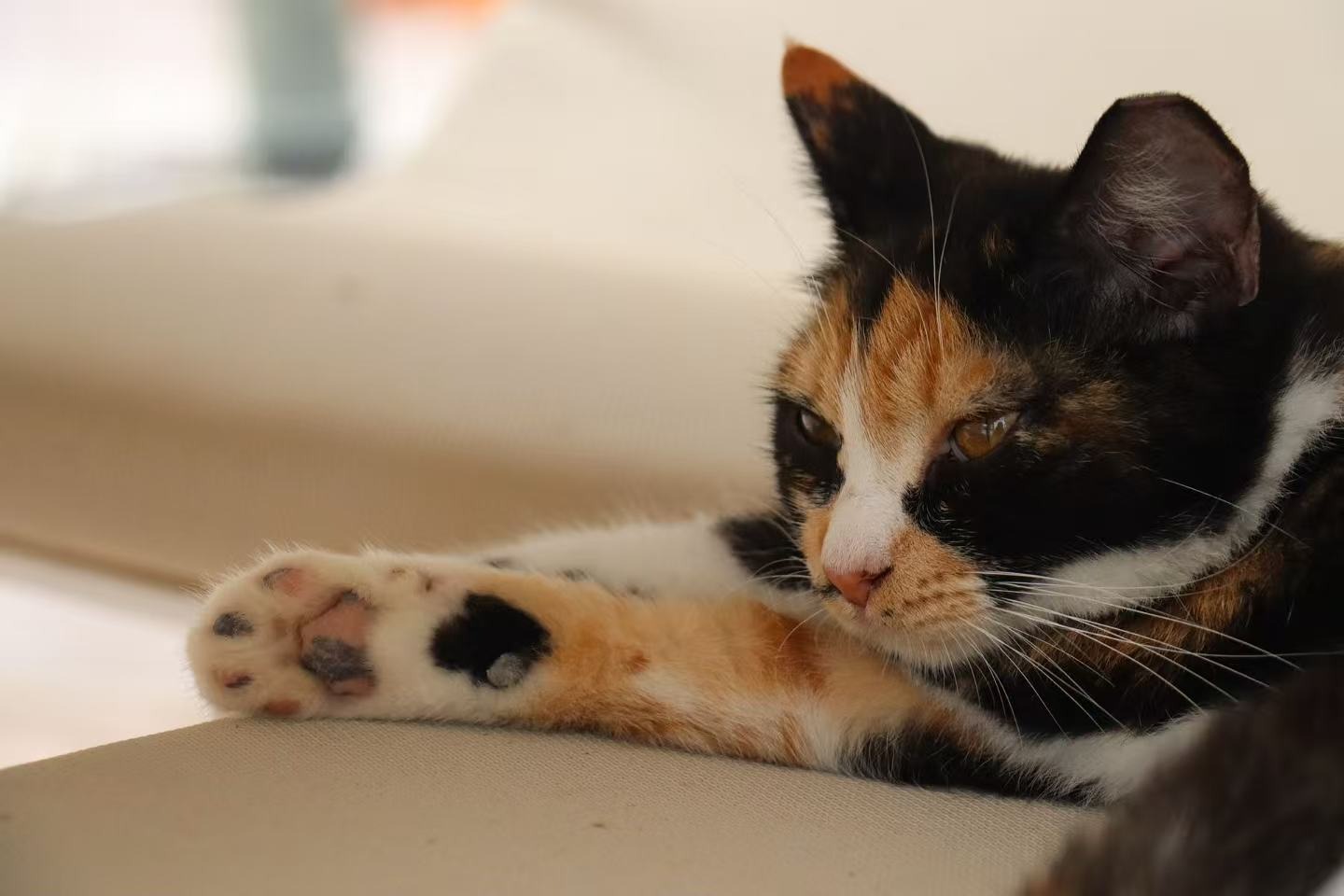
This scene happens every night, and sometimes in front of staff, despite a prohibition of feeding stray animals in the Student Housing policy. A quiet tension has evolved between the policy prohibiting feeding stray animals with a student-run cat care group called “Shamali Cat Care.” With approximately 20 members, the group maintains a feeding schedule and related animal welfare activities, like medical treatment, for more than 30 cats around the complex.

Organizing on WhatsApp group, volunteers take up morning and evening feeding shifts. In emergency situations, like injuries, arrangement will be made to share logistical and financial responsibilities. The group also has its own Instagram page, encouraging fund raising and adoption of the cats.
Feeding activity usually takes place when there are not many residents walking around, like early in the morning or late in the evening. It typically happens at corners of the complex to avoid main entrances and common walkways.
In an email sent to residents last November, Student Housing and Residence Life issued a reminder that feeding stray animals violates the Community Living Standards policy, which explicitly states that “Feeding stray animals is not permitted.”
It laid out concerns over sanitation, pest attractions and safety, warned that such violation may result in disciplinary action, including fines or probation, and said cleaning staff have been instructed to remove bowls found in common areas.

While housing views the existence of cats in Shamali through considerations of safety and policy, the cat care group frames its role as filling a gap in animal welfare.
According to Felicia Masferrer, 24, one of the leaders of the cat care group, the collective effort has continued quietly for years. She no longer lives in housing after she graduated from Georgetown University in Qatar in 2024, but she said she still carries the responsibility to organize the group.
Masferrer mentions that there were other past situations in which housing intervened. In 2024, there were cases that students brought cats into the building. “I do think it’s because we overstepped a bit,” Masferrer admitted. “So, it’s really important to maintain the right balance.”
“We know technically we’re not supposed to feed them,” she said. “But now most of the time securities won’t really do anything, as long as we are not disturbing other residents.”
Masferrer said the group does not see itself as opposing housing policy. “Housing really put their foot down when people started complaining,” she said.

Pauline Kimanja, 34, a security staff member at Shamali said that although feeding stray animals violates the housing rules, enforcement is typically limited to warnings.
“I know ladies are feeding them every day,” Kimanja said. “If we were strict, they would already have been punished.”
In an attempt to rid Shamali of cats altogether in 2023, housing staff have attempted to remove cats out of the complex using cages, according to Kimanja. But the cats have always returned.
Kimanja said the residents have varied reactions. “Most students like cats,” she said. “But some are afraid,” She added, explaining that complaints usually appear when leftover cat food accumulates in the common area, affecting pathways or producing smells.

Anwesha Nath, 19, a Shamali resident, said that she does not feed the cats, but understands why others do. “I don’t mind as long as they stay out of the lobby and it’s kept clean,” she said. “In that sense, no one should kick them out.”
Although not a cat lover, Anwesha has gotten used to seeing cats as part of the Shamali complex.
Apart from enforcement and complaints, Kimanja and her colleagues said that while policy sets boundaries, they understand why students continue to feed the cats. “Most of the students don’t have their family here,” she said. “The cats become their companions.”
For Masferrer, one of the leaders of Shamali Cat Care, the attachment is personal. When she was still a student, she asked other members from the cat care group to continue looking after a tricolored cat that she had named Biscuit.
“You don’t have to like them,” she said. “We just want the cats to be able to coexist, because they are always going to be part of Shamali.”
Post a comment